No Common Ground: How Inconsistent Microplastic Detection Methods Are Undermining Chemical Standards and Regulatory Credibility
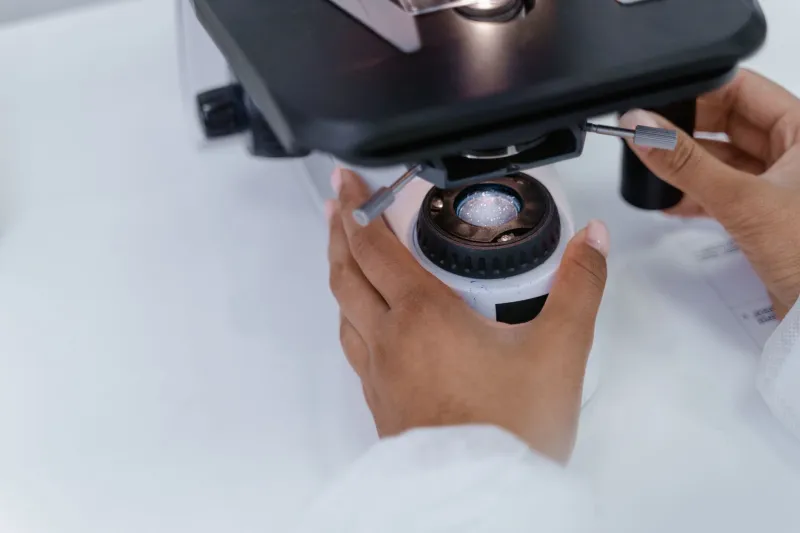
When two laboratories analyze the same water sample and arrive at microplastic concentrations that differ by an order of magnitude, the problem is not a rounding error. It is a fundamental breakdown in scientific consensus—one that has quietly grown into one of the most consequential methodological disputes in contemporary environmental chemistry. Across the United States, research institutions, commercial testing labs, and regulatory bodies are generating microplastic data using techniques so varied that direct comparison is, in many cases, scientifically indefensible. For a field increasingly expected to inform binding chemical standards, that is an untenable position.
A Measurement Problem Hidden in Plain Sight
Microplastics—broadly defined as plastic particles smaller than five millimeters—present an unusual analytical challenge. Unlike many conventional chemical contaminants, they are not a single substance with a defined molecular structure. They vary in size, shape, polymer composition, surface chemistry, and density. A fragment of polyethylene terephthalate behaves differently under spectroscopic analysis than a fiber of nylon or a sphere of polystyrene. This inherent heterogeneity means that no single detection method captures the full picture, and the choice of method profoundly shapes what a laboratory finds.
Currently, the most widely used identification techniques include Fourier-transform infrared spectroscopy (FTIR), Raman spectroscopy, and pyrolysis-gas chromatography-mass spectrometry (Py-GC/MS). Each carries distinct advantages and blind spots. FTIR is well-suited to larger particles but struggles with fragments below approximately 20 micrometers. Raman spectroscopy offers higher resolution at smaller size ranges but is susceptible to fluorescence interference from organic matter commonly present in environmental samples. Py-GC/MS provides mass-based quantification but destroys the sample in the process, precluding morphological characterization. No single instrument answers every question, and laboratories are not applying these tools in uniform ways.
Sample collection and preparation introduce additional variables. Filtration pore size determines which particles are retained and which pass through undetected. Digestion protocols used to remove organic matter—hydrogen peroxide treatment, enzymatic digestion, or alkaline hydrolysis—affect particle integrity differently depending on polymer type. Even the containers used during processing can shed plastic particles that contaminate the sample. When these upstream decisions vary from one facility to the next, downstream comparisons become scientifically suspect.
The Regulatory Consequences of Analytical Fragmentation
For environmental regulators, the implications are direct and serious. The U.S. Environmental Protection Agency has been under increasing pressure to develop enforceable microplastic standards for drinking water, surface water, and wastewater discharge. Several states, including California, have moved ahead with their own monitoring requirements. Yet without a standardized method for detecting and quantifying microplastics, any numerical threshold written into regulation is essentially arbitrary—tied to one laboratory's protocol rather than a scientifically defensible baseline applicable across jurisdictions.
This creates a compliance paradox. A facility that tests its effluent using one method may appear to meet a proposed threshold, while the same discharge analyzed by a different laboratory using different instrumentation and sample preparation could yield a result suggesting a violation. Neither outcome is inherently wrong given the methods employed; the problem is that the methods themselves have not been harmonized. Enforcement becomes legally precarious, and regulated entities face the unsettling prospect of liability determined less by their actual environmental performance than by which laboratory they hired.
The situation also undermines the credibility of industry self-reporting. When companies voluntarily measure microplastic outputs—whether from manufacturing processes, product degradation, or wastewater streams—the absence of a common analytical reference point makes it impossible for regulators, investors, or the public to assess those disclosures meaningfully. Accountability requires comparability, and comparability requires standardization.
Institutional Barriers to Consensus
The technical challenges are real, but they are not the primary obstacle to establishing shared measurement standards. The deeper barriers are institutional. Standard-setting organizations, including ASTM International and the American Public Health Association, move through deliberative consensus processes that require extensive stakeholder input and validation studies—processes measured in years, not months. Meanwhile, research groups publish findings using whatever methods are available to them, and the literature accumulates in ways that resist synthesis.
Funding structures compound the problem. Academic laboratories optimized for discovery science are not well-positioned to conduct the painstaking interlaboratory comparison studies needed to validate a standard method. Such work is methodologically rigorous but rarely yields the novel findings that attract grant funding or advance publication careers. The result is a systematic underinvestment in the unglamorous but essential work of measurement science.
Regulatory agencies face their own constraints. The EPA's method development process is resource-intensive, and the agency has historically prioritized conventional pollutants with well-established chemical identities. Microplastics, with their heterogeneous physical and chemical properties, do not fit neatly into existing regulatory chemistry frameworks, and adapting those frameworks requires both scientific and administrative investment that has not yet been fully committed.
What the Field Must Do
The path forward requires coordinated action across several dimensions. First, the environmental and chemical sciences community needs to invest seriously in interlaboratory comparison exercises—structured studies in which multiple facilities analyze identical reference materials and report results using specified protocols. These exercises expose sources of variability, build consensus around best practices, and generate the empirical foundation that standard-setting bodies require. Professional conference environments, where researchers from disparate institutional backgrounds convene around shared scientific problems, are particularly well-suited to organizing and publicizing such initiatives.
Second, federal agencies must engage more directly with the method standardization challenge. The EPA's Office of Research and Development has the technical capacity to lead or co-lead reference method development for microplastics in water matrices, and doing so would provide a durable foundation for the drinking water and effluent standards that public health advocates and regulators are increasingly demanding.
Third, the scientific community must reach working agreement on minimum reporting requirements—size ranges, particle categories, and identification criteria that any published study or regulatory submission must address, regardless of the specific instrumentation used. This would not eliminate methodological diversity, but it would impose enough structure to allow cross-study comparisons and identify where gaps in detection are most consequential.
Finally, industry has a stake in this process that it has not yet fully recognized. Chemical manufacturers, plastics producers, and consumer goods companies facing growing regulatory scrutiny would benefit from clear, defensible measurement standards that define their compliance obligations with precision. Participating constructively in standard-setting processes—rather than waiting for mandates to arrive—positions the private sector as a stakeholder in credible science rather than a subject of it.
The Cost of Continued Delay
Microplastics have been detected in human blood, lung tissue, placental material, and municipal drinking water supplies across the United States. The public health implications remain incompletely understood, but the scientific literature is moving steadily toward concern. Regulatory agencies cannot responsibly wait for perfect certainty before acting, yet they cannot responsibly act on data that cannot be reconciled across laboratories.
The microplastic measurement problem is, at its core, a failure of scientific infrastructure—one that the environmental and chemical science community has the knowledge and capacity to address. The question is whether the institutional will exists to prioritize the difficult, collaborative, methodologically intensive work that standardization requires. The credibility of chemical standards in this domain depends on the answer.