Inventory Under the Microscope: How AI-Driven Chemical Storage Monitoring Is Outpacing the Inspection Cycle
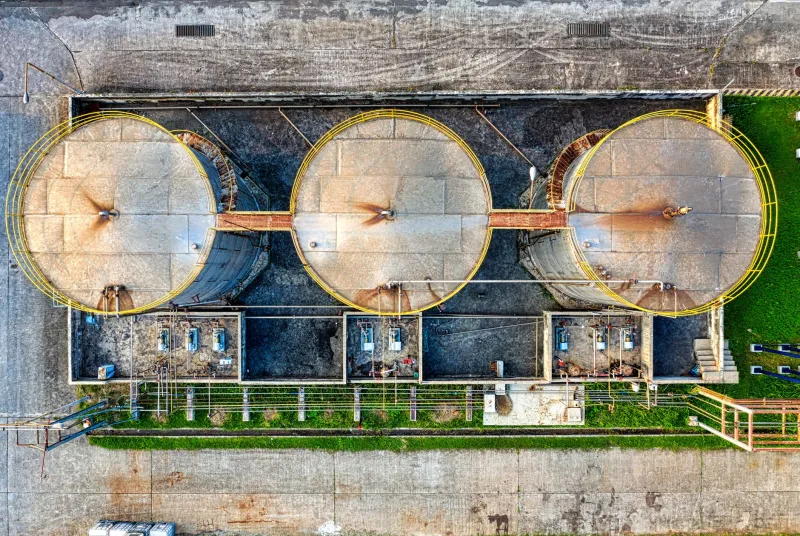
For decades, chemical storage compliance operated on a familiar rhythm: quarterly audits, paper manifests, and the periodic anxiety of an unannounced inspection. That rhythm, however, was never particularly well-suited to the complexity of modern chemical warehousing, where dozens of incompatible substances may share adjacent shelving, temperature requirements shift seasonally, and inventory volumes fluctuate daily. The gaps between formal audits were, in practice, windows of unmonitored risk.
Artificial intelligence is now closing those windows—and doing so faster than many regulatory frameworks anticipated.
What Real-Time Chemical Monitoring Actually Looks Like
AI-driven inventory monitoring platforms integrate sensor arrays, computer vision systems, and machine learning models trained on chemical compatibility data, storage regulation libraries, and historical violation records. In a working warehouse environment, this means cameras and environmental sensors generate a continuous stream of data—temperature gradients, humidity readings, gas concentration levels, shelf load weights—that the system analyzes against a dynamic ruleset drawn from sources such as OSHA's Hazard Communication Standard, EPA storage guidelines, and site-specific safety data sheets.
When conditions deviate from acceptable parameters, the platform generates an alert. Critically, these alerts are not simple threshold notifications. Modern systems apply contextual reasoning: a temperature spike in one storage zone, for instance, triggers a cross-reference against the chemical identities stored in adjacent zones to assess whether the deviation creates an acute incompatibility risk, not merely a climate control issue.
Some platforms have extended this logic to inventory reconciliation. By integrating with procurement and logistics software, the AI can flag discrepancies between what a facility's records indicate is stored and what sensor data and visual scanning suggest is actually present. Undeclared quantities—substances received but not logged, or logged quantities that do not match physical storage signatures—surface as anomalies requiring human review.
The Quarterly Audit's Structural Blind Spots
Traditional compliance auditing is not inherently flawed; it is simply episodic. An auditor arriving at a facility on a scheduled date reviews conditions as they exist at that moment. A storage arrangement that was non-compliant three weeks prior, corrected hastily before the visit, and likely to drift back out of compliance the following month will not appear in the audit record.
This episodic nature creates compounding liability exposure for mid-sized chemical manufacturers in particular. Larger corporations often maintain dedicated environmental health and safety departments capable of sustaining continuous internal monitoring programs. Smaller operations may lack the personnel to do so. Mid-market facilities—those employing between fifty and five hundred workers and handling significant chemical inventories—frequently occupy an uncomfortable middle ground: substantial enough to face serious regulatory scrutiny, but resource-constrained enough that continuous human oversight is impractical.
AI monitoring addresses this gap directly. The system does not require rest periods, cannot be distracted, and does not depend on the institutional memory of a single compliance officer. It maintains a timestamped record of every flagged condition, every corrective action logged, and every interval during which storage parameters remained within or outside acceptable bounds.
That audit trail has legal significance. In enforcement proceedings, demonstrating that a facility identified a potential violation, documented it, and initiated corrective action—independent of any external inspection—can substantively affect penalty determinations under EPA and OSHA frameworks.
Cross-Contamination Detection as a Leading Indicator
Among the most practically significant capabilities of current-generation systems is their ability to model cross-contamination risk before a physical incident occurs. Chemical incompatibility is a well-documented hazard, but in busy warehouse environments, storage arrangements change frequently as shipments arrive and space is reorganized. A placement that was compliant under last month's inventory configuration may become hazardous after a new delivery.
AI platforms trained on chemical interaction databases can evaluate storage layouts in near real-time, flagging newly created incompatibility proximities. One class of systems uses overhead camera feeds combined with chemical identity tags—RFID or barcode-based—to map the physical location of every labeled container. When a new container is placed within a defined proximity of an incompatible substance, the system generates an alert before any interaction can occur.
This predictive posture represents a meaningful departure from the reactive model that has historically governed chemical safety management. Rather than investigating causes after an incident, facilities using these tools are receiving actionable intelligence at the moment a risk configuration forms.
Adoption Challenges and the Path to Integration
The technology is not without implementation friction. Facilities with legacy inventory management systems often face significant integration costs when adopting AI monitoring platforms. Sensor infrastructure must be installed, calibrated, and maintained. Staff require training not only to operate the system but to respond appropriately to the alert categories it generates—distinguishing between conditions requiring immediate intervention and those warranting scheduled review.
Data governance is another consideration. The continuous monitoring logs generated by these systems constitute sensitive operational records. Facilities must establish clear policies governing who has access to those records, how long they are retained, and under what circumstances they may be disclosed—including in regulatory inquiries or litigation.
Vendors operating in this space have begun addressing integration barriers through modular deployment models, allowing facilities to implement monitoring for high-priority storage zones before committing to facility-wide coverage. Some platforms offer cloud-based architectures that reduce on-premises infrastructure requirements, lowering the capital threshold for initial adoption.
A Proactive Liability Framework for a Stricter Regulatory Climate
The regulatory environment governing chemical storage is not becoming more permissive. EPA enforcement actions related to improper storage have increased in frequency over recent years, and state-level agencies in jurisdictions including California, New Jersey, and Texas have pursued their own parallel enforcement initiatives. For mid-sized manufacturers, the cost of a significant storage violation—penalties, remediation, reputational damage, potential facility shutdown—can be existential.
In this context, AI-driven inventory monitoring functions as more than an operational efficiency tool. It constitutes a proactive liability management strategy, one that generates documented evidence of continuous compliance effort regardless of what any single inspection may reveal.
For the environmental and chemical science community, the broader implication is equally significant: the technology is beginning to shift the compliance conversation from reactive accountability to anticipatory stewardship. That shift, however gradual, represents a meaningful evolution in how the industry understands its own obligations.