Before the Inspector Knocks: How Continuous Process Monitoring Is Reshaping Chemical Compliance From the Inside Out
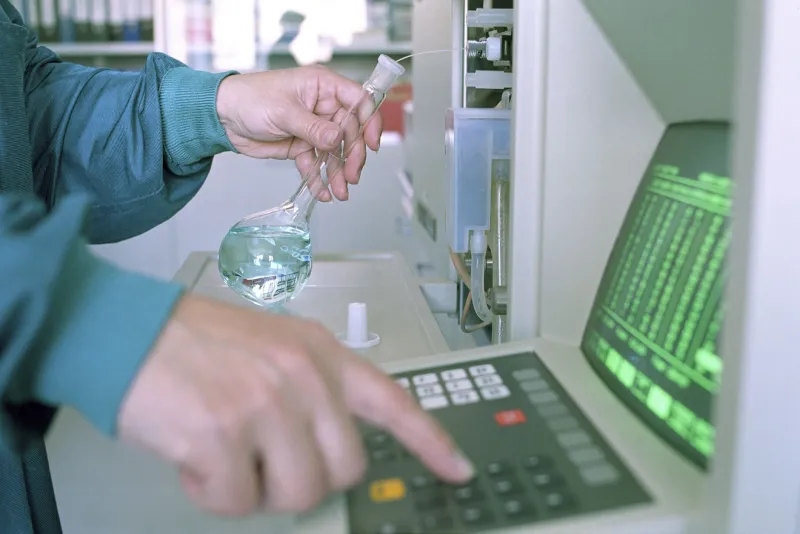
For decades, regulatory compliance in the chemical manufacturing sector operated on a familiar rhythm: periodic inspections, after-the-fact reporting, and the occasional audit that sent facility managers scrambling through filing cabinets. That rhythm is changing. Across the United States, a growing cohort of chemical producers and industrial processors is deploying continuous automated monitoring systems that generate real-time data streams on everything from effluent discharge concentrations to stack emissions and process temperature thresholds. The result is a form of internal oversight that operates around the clock—one that frequently surfaces compliance gaps well before any external authority arrives to look for them.
The implications extend far beyond operational efficiency. They touch the core of how environmental accountability is structured, how regulators interact with industry, and whether the adversarial dynamic that has historically characterized chemical oversight can be replaced by something more collaborative and ultimately more effective.
From Snapshot to Continuous Record
Traditional compliance verification has long relied on what might be called snapshot data—measurements taken at discrete intervals, often under conditions that facilities knew were coming. Quarterly emissions reports, scheduled stack tests, and annual permit reviews all share the same structural limitation: they capture a moment rather than a pattern. Critics within the environmental science community have argued for years that this episodic model is poorly suited to the dynamic, variable nature of chemical manufacturing processes, where conditions can shift within hours in response to feedstock changes, equipment wear, or production volume fluctuations.
Continuous monitoring systems address this gap directly. Distributed sensor arrays positioned at critical process nodes—reactor vessels, wastewater treatment interfaces, ventilation exhausts, and storage transfer points—generate data at intervals measured in seconds or minutes rather than quarters or years. When integrated with analytics platforms capable of flagging threshold exceedances or anomalous trend patterns, these systems effectively create a living compliance record that documents not just current status but historical trajectory.
For facilities operating under Clean Air Act permits, Resource Conservation and Recovery Act requirements, or state-level discharge authorizations, this granularity carries significant regulatory weight. It transforms compliance from a periodic certification into an ongoing, auditable process—and it does so on the facility's own terms, before any external review is initiated.
The Internal Audit That Never Stops
One of the more consequential aspects of continuous monitoring is its capacity to surface problems that manual inspection protocols would likely miss entirely. Process drift—the gradual degradation of operating parameters over time—is a well-documented phenomenon in chemical manufacturing that rarely announces itself dramatically. A heat exchanger losing efficiency, a scrubber system operating at the lower boundary of its design specification, a wastewater neutralization step that begins to underperform during high-volume production runs: these are the kinds of incremental deviations that accumulate quietly and, under traditional monitoring regimes, may only become visible when they have already crossed a regulatory threshold.
Automated systems, by contrast, are indifferent to production pressures and shift changes. They do not develop familiarity with a process that can cause experienced operators to normalize gradual degradation. When a sensor detects that a parameter is trending toward a permit limit rather than exceeding it, the system can generate an alert that allows corrective action to occur in the margin—before a violation is recorded, before a reportable event is triggered, and before the compliance record is formally compromised.
Facility environmental health and safety managers who have implemented these platforms describe a shift in operational culture that accompanies the technology. When data is continuous and visible, the conversation about compliance moves from reactive damage control to proactive process management. That shift, practitioners report, changes how line operators, process engineers, and environmental staff interact with one another on a daily basis.
Regulatory Dynamics in a Data-Rich Environment
The proliferation of continuous monitoring data is also beginning to influence the relationship between chemical facilities and their regulatory counterparts at the state and federal level. Agencies including the U.S. Environmental Protection Agency have expressed interest in continuous emissions monitoring systems not merely as enforcement tools but as mechanisms for building a more accurate, real-time picture of industrial environmental performance across sectors.
For facilities that have invested in robust monitoring infrastructure, this creates a meaningful opportunity to engage with regulators from a position of documented transparency rather than defensive uncertainty. When an inspection does occur, the facility's own data record becomes a primary reference point—one that, if it demonstrates consistent compliance over time, can substantially alter the tone and scope of the review. Regulators operating under resource constraints, as most state environmental agencies currently do, have practical incentives to focus their limited inspection capacity on facilities whose data profiles suggest elevated risk rather than those with documented histories of continuous, well-managed performance.
This dynamic is not without complexity. Continuous data generation also means continuous documentation of any deviations that do occur, and facilities must navigate the question of how internal monitoring records interact with mandatory self-reporting obligations under federal and state frameworks. Legal and compliance counsel increasingly advise clients to develop clear data governance protocols that address record retention, disclosure triggers, and the evidentiary status of internally generated monitoring logs.
Competitive Positioning and the Case for Early Adoption
Beyond the regulatory calculus, continuous monitoring is emerging as a differentiator in commercial and procurement contexts. Large industrial purchasers and downstream manufacturers operating under their own sustainability commitments are increasingly scrutinizing the environmental performance records of their chemical suppliers. Facilities that can provide verified, time-stamped compliance data—rather than periodic certification letters—offer a form of supply chain assurance that is difficult to replicate through conventional documentation.
In sectors where environmental liability exposure is a material business risk, the ability to demonstrate a proactive, data-driven compliance posture also carries weight in insurance underwriting and financing contexts. Lenders and insurers with environmental risk portfolios are beginning to treat continuous monitoring adoption as a positive indicator in their assessments, reflecting a broader market recognition that real-time oversight reduces the probability of the large-scale compliance failures that generate the most significant financial and reputational consequences.
The capital investment required to deploy comprehensive monitoring systems remains a genuine barrier for smaller chemical producers and specialty manufacturers operating on tighter margins. However, the cost trajectory for industrial sensor technology continues to decline, and cloud-based analytics platforms have substantially reduced the infrastructure burden associated with data processing and storage. For mid-sized facilities, phased deployment strategies—prioritizing the highest-risk process nodes first—offer a pragmatic path toward continuous monitoring capability without requiring full-facility instrumentation from the outset.
A New Standard for Accountability
The broader significance of continuous chemical process monitoring may ultimately be cultural as much as technical. It represents a movement away from compliance as a periodic obligation and toward accountability as an embedded operational condition. That shift aligns with the direction that environmental science, regulatory policy, and industrial practice are all moving—toward greater transparency, finer resolution, and more immediate feedback loops between industrial activity and its documented consequences.
For professionals across the environmental and chemical sciences, the emergence of these systems raises questions that merit sustained attention: How should monitoring data be standardized to support comparability across facilities and sectors? What verification frameworks should govern the integrity of sensor networks and analytics platforms? And how can the insights generated by continuous monitoring be most effectively translated into the kind of regulatory modernization that serves both environmental protection goals and the operational realities of American chemical manufacturing?
These are precisely the kinds of questions that benefit from the structured, cross-disciplinary exchange that professional gatherings in the environmental and chemical sciences are designed to facilitate. The technology is advancing rapidly. The policy frameworks and professional norms that will govern its use are still being written.